

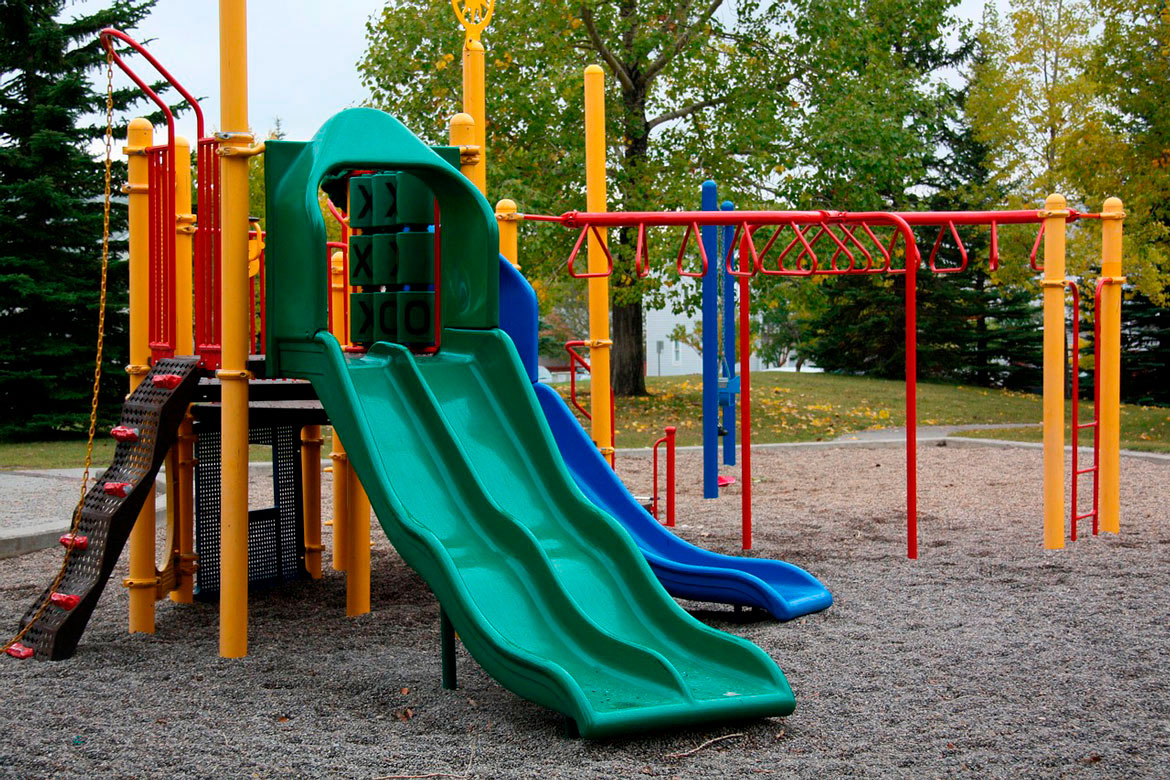
Playgrounds are essential spaces for childhood development — they’re where children build strength, coordination, confidence, and social skills. Whether installed in schools, community parks, or recreational centers, well-designed playgrounds promote both physical activity and creativity. However, not all playground equipment serves the same purpose. The best play areas feature a mix of structures that cater to different age groups, abilities, and play styles.
This guide explores the main types of playground equipment used in schools and parks today, including traditional structures, modern interactive designs, and inclusive equipment that ensures every child can participate.
1. Climbing Structures
Purpose:
Climbing is one of the most beneficial physical activities for children. It strengthens muscles, improves coordination, and enhances spatial awareness.
Examples:
- Climbing walls: Scaled-down versions of rock walls with easy grips.
- Rope nets and webs: Encourage balance and problem-solving.
- Geodesic domes: Popular in schools for cooperative play.
- Vertical towers: Offer adventure and promote upper-body strength.
These structures are often the focal point of playgrounds and are designed to challenge children at different skill levels.
2. Slides
Purpose:
Slides are classic playground staples that encourage balance, confidence, and motor control. They also introduce children to controlled risk-taking — an important developmental skill.
Varieties:
- Straight slides: Simple and suitable for younger children.
- Curved or spiral slides: Add excitement and variety.
- Wave slides: Offer smooth, undulating motion.
- Double or triple slides: Allow children to slide side-by-side, promoting social interaction.
Modern slides are often made of durable, low-friction materials to enhance safety and longevity.
3. Swings
Purpose:
Swings promote balance, rhythm, and sensory coordination. They’re timeless and appeal to children of nearly every age group.
Types:
- Belt swings: Standard for school playgrounds.
- Bucket seats: Provide extra support for toddlers.
- Inclusive swings: Designed for children with limited mobility or sensory challenges.
- Multi-user swings: Encourage cooperative play.
Safety surfacing and proper spacing are critical to prevent collisions and ensure secure swinging arcs.
4. Playhouses and Imaginative Play Equipment
Purpose:
Pretend play is vital for creativity, communication, and emotional intelligence. Structures like playhouses, market stands, and themed units spark storytelling and role-playing activities.
Examples:
- Castle or pirate ship themes: Inspire group adventures.
- Mini kitchens or stores: Encourage social and cognitive development.
- Musical panels or talking tubes: Add sensory engagement to playtime.
Schools often combine these elements to create imaginative zones separate from active climbing areas.
5. Balance and Motion Equipment
Purpose:
Equipment focused on balance and movement enhances core strength, coordination, and body awareness.
Examples:
- Seesaws and teeter-totters: Teach cooperation and rhythm.
- Spring riders: Offer individual motion for younger children.
- Balance beams: Encourage concentration and control.
- Spinners and merry-go-rounds: Help children understand momentum and spatial awareness.
Balance-based play also supports sensory development and vestibular system function — crucial for early learning.
6. Multi-Activity Play Structures
Purpose:
Integrated play structures combine climbing, sliding, and crawling features into one unit. These are common in schools and large parks where space and variety are priorities.
Features:
- Bridges, tunnels, and ramps for continuous movement.
- Combination decks with slides, ladders, and rope features.
- Age-appropriate sections for different skill levels.
These modular systems promote teamwork and imaginative exploration while maximizing playground space.
7. Inclusive Playground Equipment
Purpose:
Modern playgrounds emphasize inclusion — ensuring children of all abilities can play safely together. Inclusive designs remove barriers and foster empathy and equality.
Examples:
- Wide ramps and transfer platforms for wheelchair access.
- Ground-level sensory panels for tactile or auditory engagement.
- Adaptive swings and merry-go-rounds with secure seating.
- Smooth rubber surfacing to accommodate mobility aids.
Inclusion isn’t just about accessibility — it’s about creating social spaces where every child can participate equally.
8. Fitness and Challenge Equipment
Purpose:
Older children and teens benefit from more physically demanding play options. Outdoor fitness zones and obstacle courses bridge the gap between play and exercise.
Examples:
- Monkey bars and overhead ladders: Build upper-body strength.
- Climbing ropes and cargo nets: Encourage endurance and coordination.
- Outdoor gym elements: Like pull-up bars and balance boards.
- Ninja-style challenge courses: Blend fun with physical fitness.
These structures promote lifelong health habits and keep older students engaged in outdoor play.
9. Sensory Play Equipment
Purpose:
Sensory play helps children explore textures, sounds, and colors, stimulating curiosity and cognitive development. It’s particularly valuable for younger children and those with sensory processing needs.
Common Elements:
- Sand and water tables for tactile learning.
- Musical instruments like drums, chimes, or xylophones.
- Interactive panels with visual and auditory effects.
- Tactile paths with different surface materials.
Sensory areas complement active play zones, creating a balanced playground experience.
10. Shade Structures and Seating
Purpose:
Comfort and safety are essential components of any playground. Shade structures protect children from sun exposure, while seating areas accommodate supervision and rest.
Design Options:
- Fabric shade sails or steel canopies over key equipment.
- Benches and picnic tables for families and caregivers.
- Tree-shaded zones integrated into the landscape.
Comfortable, shaded spaces encourage longer play sessions and promote community interaction.
11. Safety Surfacing and Accessibility
Purpose:
Even the best playground equipment is incomplete without proper surfacing. Safety materials cushion falls and provide traction, reducing injury risk.
Common Surfacing Materials:
- Poured-in-place rubber for accessibility and durability.
- Engineered wood fiber (EWF) for natural appearance.
- Rubber tiles or turf for low-maintenance solutions.
Surfacing should always meet ASTM and CSA safety standards, particularly for fall zones under climbing and slide structures.
12. Role of Professional Playground Designers
Designing a playground requires a balance between safety, inclusivity, creativity, and compliance with safety regulations. Working with professional designers ensures your layout meets all standards while maximizing fun and educational value.
A trusted provider like Inspire Play playground equipment offers customized solutions for schools and parks — integrating traditional play elements with modern designs and inclusive features. Their expertise ensures compliance with ASTM/CSA standards, age-appropriate layouts, and durable, safe materials that stand up to daily use.
Conclusion
Playgrounds are more than recreational spaces — they’re essential tools for physical, cognitive, and social development. The best playgrounds combine active, imaginative, and inclusive play equipment to create environments where children can learn, grow, and connect.
