

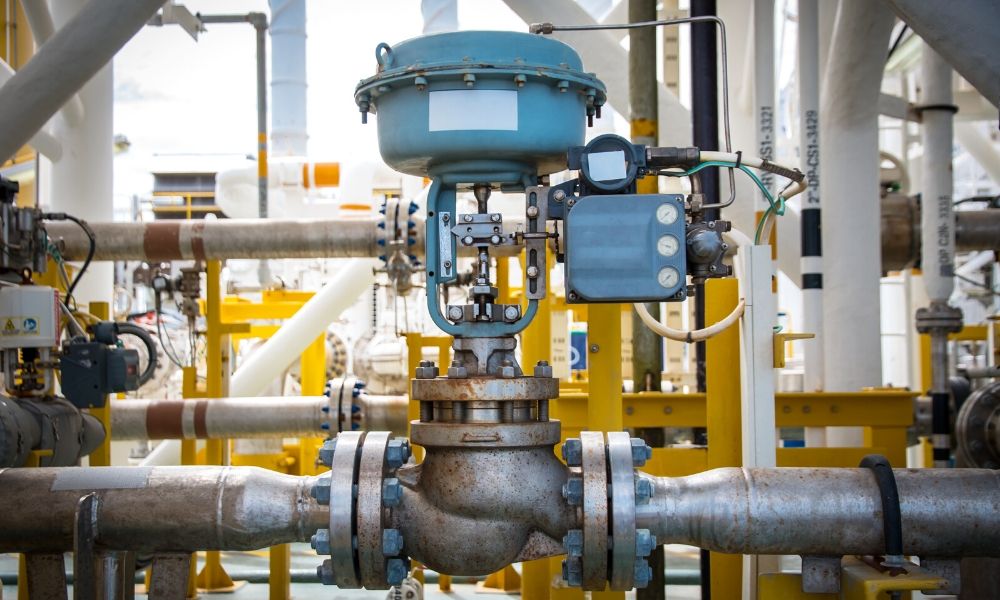
High-pressure valves form the backbone of countless industrial operations, quietly controlling the flow of everything from natural gas in offshore platforms to hydraulic fluid in manufacturing plants. These remarkable devices, engineered to withstand immense forces that would crush ordinary equipment, represent one of humanity’s most sophisticated attempts to harness and direct the raw power of pressurised systems. Yet despite their critical importance, most people remain unaware of the intricate engineering marvels operating behind the scenes of modern civilisation.
The Physics of Pressure: Understanding the Challenge
In the realm of industrial engineering, pressure creates both opportunity and peril. When fluids are compressed beyond atmospheric pressure, particularly in applications exceeding 1,000 PSI, the forces involved become exponentially more dangerous and complex to manage. Consider the hydraulic systems that power construction equipment or the steam networks that drive power generation: without proper valve control, these systems would be catastrophically uncontrollable.
The fundamental challenge lies in creating a barrier that can open, close, and modulate flow whilst withstanding pressures that could easily rupture standard materials. Engineers must account for:
- Thermal expansion from temperature fluctuations
- Pressure cycling that can cause metal fatigue
- Corrosive environments that degrade materials over time
- Vibration and shock loads from industrial operations
- Seal integrity under extreme conditions
Material Science: The Foundation of Reliability
The evolution of high pressure valve technology mirrors advances in metallurgy and materials science. Early valves relied on cast iron and bronze, suitable for modest pressures but woefully inadequate for modern applications. Today’s valves employ sophisticated alloys designed to excel under specific conditions.
Stainless steel variants offer excellent corrosion resistance for chemical processing, whilst hardened carbon steel provides superior strength for oil and gas applications. For the most demanding environments, exotic materials like Inconel and Hastelloy deliver performance where standard alloys would fail catastrophically.
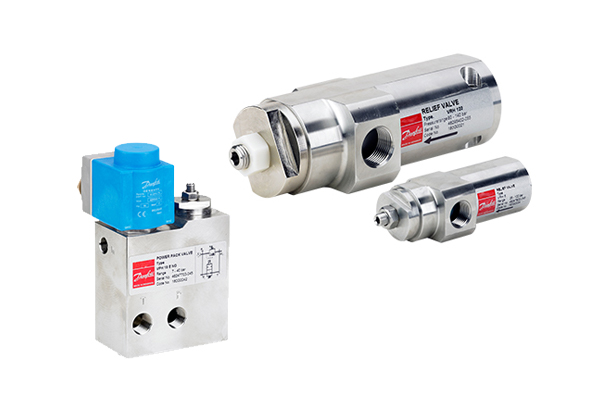
Engineering Excellence: Design Principles That Matter
Creating effective high-pressure valves requires balancing multiple competing demands. The valve must seal completely when closed—a single leak can be dangerous and costly—yet open smoothly when needed. This seemingly simple requirement drives remarkable complexity in design.
Modern valve bodies utilise thick-walled construction with carefully calculated stress distribution. The valve stem, which transmits operating force from the actuator to the closure element, must resist both the internal pressure trying to blow it out and the external forces applied during operation. Advanced computational modelling now allows engineers to optimise these designs with precision impossible just decades ago.
Critical Applications Across Industries
High-pressure valves serve essential functions across numerous sectors:
- Oil and gas extraction, where wellhead pressures can exceed 10,000 PSI
- Chemical processing requiring precise flow control of reactive substances
- Power generation managing superheated steam in turbine systems
- Aerospace controls hydraulic flight control systems
- Marine engineering managing ballast and propulsion systems
Each application demands specific characteristics. A valve controlling ammonia in a chemical plant faces different challenges than one managing hydraulic fluid in aircraft landing gear, yet both require absolute reliability.
The Singapore Advantage: A Hub of Excellence
Singapore has emerged as a crucial centre for high-pressure valve innovation and manufacturing. As one industry expert notes, “Singapore’s strategic position as a maritime and industrial hub, combined with its commitment to engineering excellence, makes it an ideal location for developing the next generation of pressure control technology.” The nation’s emphasis on precision manufacturing and stringent quality standards has attracted leading valve manufacturers and fostered a culture of continuous improvement.
Maintenance and Lifecycle Considerations
Even the finest high pressure valves require careful maintenance to ensure continued reliability. Regular inspection schedules must account for the specific operating environment and duty cycle. Warning signs of impending failure include:
- Unusual noise during operation
- Visible leakage around seals or packing
- Increased operating force required for actuation
- Inconsistent flow characteristics
- Vibration or chattering during operation
Predictive maintenance technologies, including vibration analysis and thermal imaging, now allow operators to identify potential problems before catastrophic failure occurs.
Industrial specialists such as Advanced Turbine Support provide inspection solutions that help maintain the reliability of critical power generation equipment
Looking Forward: Innovation and Sustainability
The future of high pressure valve technology promises exciting developments. Smart valves incorporating sensors and wireless communication capabilities enable real-time monitoring and predictive maintenance. Meanwhile, growing environmental consciousness drives development of valves optimised for renewable energy applications and improved efficiency.
Artificial intelligence integration represents another frontier, with machine learning algorithms capable of optimising valve performance in real-time based on operating conditions. These systems can automatically adjust parameters to maximise efficiency whilst extending component lifespan, reducing both operational costs and environmental impact.
Additive manufacturing techniques offer new possibilities for creating complex internal geometries impossible with traditional machining, potentially revolutionising valve performance whilst reducing material waste. Advanced coating technologies also promise enhanced corrosion resistance and reduced friction, further improving reliability in harsh operating environments.
Conclusion: Recognising Hidden Excellence
Behind every successful industrial operation lies a network of carefully selected and maintained components working in harmonious precision. These systems demand respect for their complexity and appreciation for the engineering excellence they represent. In our increasingly interconnected world, where industrial reliability underpins economic stability and human safety, understanding and investing in quality high pressure valves has never been more crucial.
