

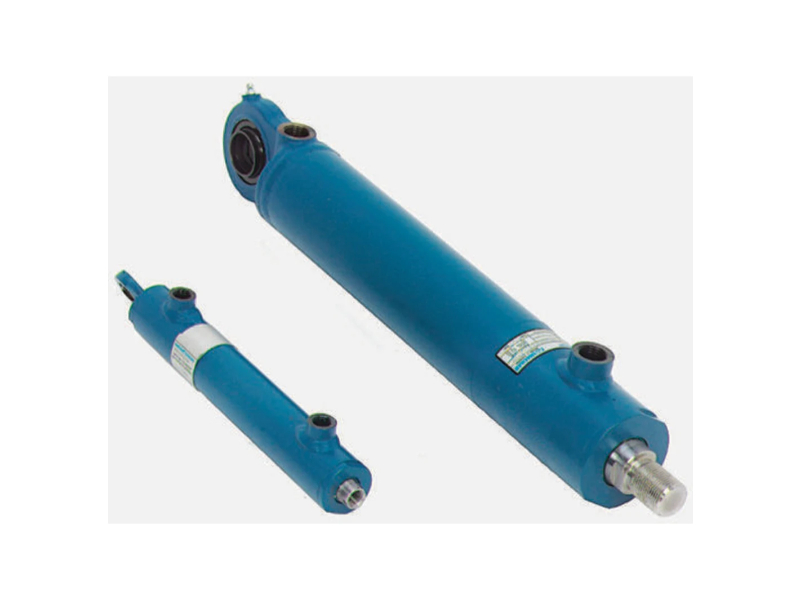
hydraulic equipment acts as the main system for automated production lines where speed and force work in balance. It helps machines perform lifting and pressing tasks steadily and accurately. A modern factory uses hydraulic cylinders to move and position materials with a level of precision that mechanical systems cannot match. As production demands change, these cylinders adjust along with sensors and control units. This allows each cycle to maintain steady quality through long hours of operation.
Power meets precision
Hydraulic cylinders deliver very high force while fitting into small spaces on machines. Even a small-sized cylinder can lift heavy metal sheets or apply enough power to shape steel. This level of compact strength lets engineers design smaller machines that handle bigger workloads. Air-driven systems often need larger setups to give the same output, which makes them less practical for tight spaces. The steady motion of hydraulic systems gives production machines smoother control during every movement. Electric drives can move unevenly at times, but hydraulic motion stays consistent and safe for delicate tasks. In car plants, these cylinders place panels with fine accuracy measured in tiny gaps. Sudden or uneven moves could bend metal or create a bad fit.
Speed control options
Automated systems require cylinders that operate at variable speeds for different tasks. Flow control valves allow operators to adjust how quickly oil enters and exits the cylinder. Slow speeds suit precision assembly where parts must align exactly. Fast speeds maintain production flow when precision becomes less critical. Many modern systems employ proportional valves that modify speeds during a single stroke. Cylinders that start or stop abruptly shake entire machines and damage products. Cushioning systems integrated into cylinder ends slow the piston gradually before it contacts the cap. This design prevents metal-on-metal impacts that generate noise and wear. Some cylinders incorporate electronic controls that adjust flow rates according to load sensor input.
Sensors enable feedback
Position sensors provide precise information about cylinder piston location to automation controllers.This data allows controllers to coordinate multiple cylinders performing complex tasks together. Without position feedback, automation systems would function without critical spatial information and produce costly errors. Pressure sensors track cylinder workload during each cycle. This information identifies problems before they cause significant damage. Sudden pressure spikes indicate jams, prompting the controller to stop the machine. Pressure drops signal leaks or pump malfunctions requiring attention. Load cells attached to cylinder mounts measure actual forces applied to products.
Programming creates flexibility
Modern hydraulic cylinders respond to programmed sequences that adapt based on production line requirements.
- Controllers store multiple motion patterns and switch between them when product specifications change
- Recipe-based programming allows operators to select pre-tested sequences for different parts without coding new instructions
- Safety routines halt cylinders immediately when sensors detect personnel or obstructions in work areas
- Diagnostic programs evaluate cylinder performance and notify maintenance teams before failures develop
- Integration with factory networks enables central computers to monitor and adjust thousands of cylinders across production facilities
This programmability removes the need for physical machine reconfiguration when switching products. A packaging line processing small boxes in the morning can process large boxes in the afternoon through simple programming changes. The cylinders move to different positions and apply different forces according to the active program. Downtime decreases substantially compared to older mechanical systems requiring manual adjustments. Efficiency and quality depend on these components for successful operations.
