

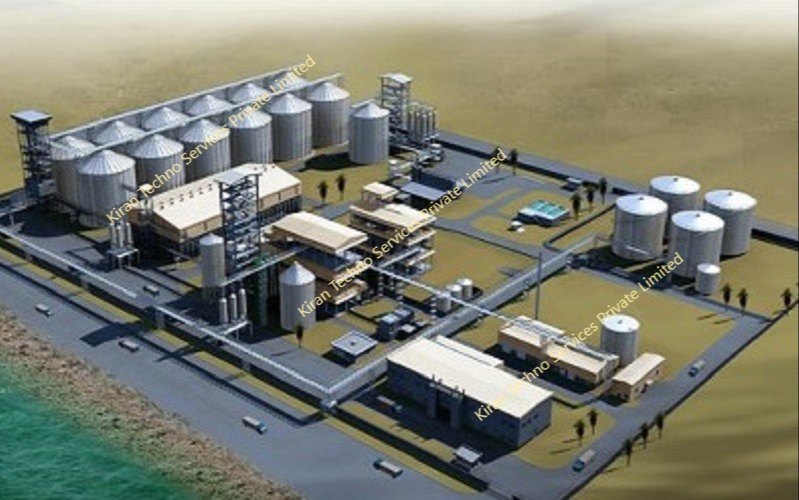
For investors looking to enter the booming agribusiness sector in regions like Southeast Asia and Africa, turnkey palm oil mill projects represent a high-potential opportunity. Unlike piecemeal setups, a turnkey project provides a fully integrated, ready-to-operate palm oil mill—complete with essential machinery like the sterilizer, palm fruit thresher, digester, and screw press—all delivered, installed, and tested by a single supplier. For new market entrants, this approach reduces operational risk and accelerates return on investment (ROI).
This article explores the key benefits, cost considerations, and ROI expectations for turnkey palm oil mill investments. It also discusses how to evaluate palm oil machinery manufacturers and plan for long-term profitability.
What Is a Turnkey Palm Oil Mill Project?
A turnkey project refers to a business setup delivered fully functional, requiring minimal effort from the buyer to get started. In palm oil production, this means the complete processing line is designed, manufactured, installed, and commissioned by the equipment supplier.
A typical turnkey palm oil mill includes:
Sterilizer (palm oil mill) to deactivate enzymes and prepare fruits
Palm fruit thresher to separate fruit from bunches
Digester for mashing and heating
Screw press to extract crude palm oil
Clarification system, oil storage tanks, and wastewater treatment
Electrical systems, piping, and automation
Turnkey solutions often cover design layout, staff training, and even after-sales service.
Top Benefits of Turnkey Palm Oil Mills for New Investors
1. Fast Market Entry
Turnkey setups significantly reduce time-to-operation. Instead of coordinating with multiple suppliers and contractors, investors rely on a single provider. This streamlined approach helps meet market demand quickly.
2. Reduced Project Risk
By partnering with experienced palm oil machinery manufacturers, investors gain access to field-tested plant designs, proven equipment, and professional project management. This minimizes delays, cost overruns, and technical errors.
3. Standardized Efficiency
A fully integrated mill ensures that each machine—from the sterilizer palm oil mill to the palm fruit thresher—is calibrated for optimal throughput and energy usage. The result is lower operating costs and consistent product quality.
4. Compliance with Industry Standards
Well-designed turnkey mills are built to meet environmental, safety, and export standards. This is critical for investors targeting global markets or pursuing sustainability certifications like RSPO or ISCC.
Cost Considerations: What Do Turnkey Projects Include?
Turnkey palm oil mill prices depend on capacity, level of automation, and processing depth. A mini mill (1–5 tons/hour) may cost $100,000–$500,000, while a large-scale mill (20–60 tons/hour) can exceed $3 million.
Cost Breakdown:
| Item | Estimated % of Total Cost |
| Core machinery | 45% |
| Installation & commissioning | 15% |
| Building & civil works | 20% |
| Electrical & piping systems | 10% |
| Training & support services | 5% |
| Contingency | 5% |
In many regions, government subsidies or tax incentives are available to reduce upfront capital requirements.
ROI Expectations: How Profitable Are Turnkey Mills?
The return on investment for a turnkey palm oil mill depends on several factors:
Daily processing capacity
Price of crude palm oil (CPO)
Yield efficiency of the machinery
Operating expenses (labor, fuel, maintenance)
Example ROI Scenario (20 TPH Mill):
| Metric | Value |
| Daily input | 400 tons fresh fruit bunches |
| Oil extraction rate | 20% |
| Daily CPO output | 80 tons |
| Market price (CPO) | $800/ton |
| Daily revenue | $64,000 |
| Monthly revenue (26 days) | $1.66 million |
| Estimated operating cost/month | $800,000 |
| Monthly profit (before tax) | $860,000 |
| Payback period | ~4–6 months (for ~$3M plant) |
These estimates vary based on labor costs, fruit quality, and energy prices, but ROI is typically reached within 6–18 months for well-managed operations.
How to Select Reliable Palm Oil Machinery Manufacturers
Choosing the right partner is critical. Look for palm oil machinery manufacturers who:
Offer full turnkey solutions (not just individual machines)
Have experience with projects in your target region
Provide robust sterilizer palm oil mill systems and durable palm fruit thresher designs
Include operator training, after-sales service, and spare parts support
Meet international quality certifications (ISO, CE, etc.)
Top manufacturers will also help with mill layout planning, civil works coordination, and local regulation compliance.
Conclusion
For investors aiming to enter the palm oil sector with minimal risk and maximum speed, turnkey palm oil mill projects offer a smart, scalable solution. With optimized machinery like sterilizers, palm fruit threshers, and screw presses included, these integrated systems simplify the business setup while maximizing ROI. When paired with an experienced palm oil machinery manufacturer, turnkey mills enable faster payback, streamlined operations, and the ability to quickly meet rising palm oil demand.
Whether you’re starting small or planning a large-scale industrial facility, investing in a turnkey palm oil mill is not just a business decision—it’s a long-term asset that can yield significant returns for years to come.
