

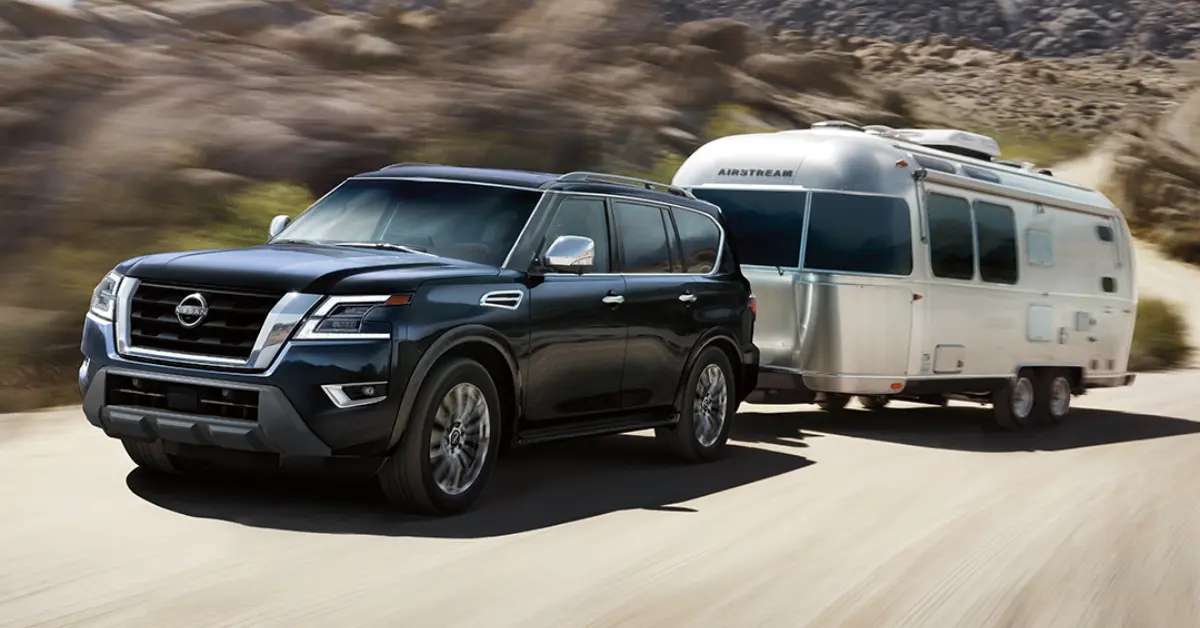
Whether you’re hauling landscaping gear, livestock, vehicles, or equipment, crossing state lines with a trailer comes with more responsibility than many drivers realize. Each state has its own set of regulations—covering everything from trailer brakes to permits—and ignoring them can result in fines, delays, or worse, safety risks.
If your business or hobby involves towing a trailer across state lines, this guide covers everything you need to know to stay compliant, safe, and stress-free.
🛣️ 1. Know the Difference Between Personal and Commercial Use
Before anything else, determine whether your towing qualifies as personal or commercial:
Personal Use:
- Hauling personal property (ATVs, horses, camping gear)
- Not for business gain
- Typically has fewer regulatory requirements
Commercial Use:
- Transporting goods or equipment for business purposes
- Includes landscapers, contractors, and haulers
- Subject to federal and state Department of Transportation (DOT) regulations
If your trailer is for business, you may need a DOT number, logbooks, and more.
Pro tip: Even if your vehicle has no signage, enforcement officers can classify your load as commercial if you’re clearly hauling for profit.
📝 2. Make Sure Your Registration and Plates Are Up to Date
Each state requires trailers to be registered and plated.
Checklist:
- Trailer registration is current in your home state
- Plates are visible and properly mounted
- VIN plate is readable on the trailer frame
- Keep proof of registration in your vehicle
Some states also require trailer titles (especially for trailers over a certain GVWR). Double-check before heading out of state.
🚨 3. Understand State-Specific Towing Laws
What’s legal in your home state may not be legal in the next one. Key differences often include:
Trailer Brake Requirements
- Some states require brakes on trailers over 3,000 lbs, others at 1,500 lbs
- Surge brakes may be acceptable in one state but not another
Safety Chains
- Required in all states, but the configuration and attachment rules vary
Lighting and Reflectors
- DOT-compliant lights and side reflectors are required
- Check for burnt-out bulbs before every trip
Mirrors and Towing Visibility
- Federal law requires side mirrors to provide an unobstructed view of the rear
Speed Limits
- Some states enforce lower trailer speed limits (e.g., 55 MPH in California)
- Always obey posted signs and local laws
Solution: Use resources like your destination state’s DMV or DOT website for specific towing laws—or consult a trailer dealer familiar with multi-state compliance.
🚚 4. DOT Numbers, CDL, and Commercial Regulations
If you’re towing for business and your combined vehicle and trailer weight (GCWR) exceeds 10,001 lbs, you may be subject to federal commercial vehicle regulations, including:
- USDOT number
- Commercial Driver’s License (CDL) (if GCWR exceeds 26,000 lbs or certain trailer weights)
- Logbooks and Hours of Service tracking
- Medical certificate for drivers
Also, some states require Intrastate DOT numbers even for in-state commercial work.
Pro tip: Landscapers, mobile businesses, and independent contractors often overlook these rules—but enforcement can be strict, especially near state borders.
🧰 5. Perform a Pre-Trip Safety Check—Every Time
Crossing state lines increases wear, risk, and responsibility. A pre-trip inspection can prevent major headaches (and keep you safe).
Safety checklist:
- Check tire pressure and condition (including the spare)
- Test all lights and blinkers
- Ensure brakes (electric or hydraulic) are working
- Inspect hitch, coupler, and safety chains
- Verify breakaway cable function
- Check load tie-downs and balance
- Top off fluids in tow vehicle and check mirrors
Print or keep a digital copy of this checklist in your glovebox—especially if you’re hauling for business.
🏷️ 6. Insurance Coverage: Don’t Assume You’re Covered
Many people think their trailer is automatically covered under their auto policy—it’s not always the case.
What to verify:
- Liability coverage extends to trailer and contents
- Cargo insurance (especially for commercial use)
- Physical damage coverage for the trailer itself
- Out-of-state coverage is valid
Pro tip: If you’re using the trailer for work, your personal auto policy likely won’t cover you. Get a separate commercial trailer policy.
🚦 7. Be Prepared for Weigh Stations and Inspections
If you’re crossing state lines with a commercial trailer—or towing a large setup—you may be required to stop at weigh stations, especially on interstates.
Know before you go:
- Look for signs that say “All Trucks” or “All Commercial Vehicles Must Stop”
- Even personal-use trailers may be flagged if they appear overloaded or unsafe
- Have documents ready: license, registration, DOT number, insurance, logbook (if applicable)
Failure to stop or cooperate can result in citations or being pulled off the road.
Final Thoughts: Safe, Legal, and Ready to Roll
Crossing state lines with a trailer is more than just driving a little farther—it’s entering a new set of rules. Whether you’re hauling tools for your landscaping crew, moving equipment for a client, or just heading out on a long-distance ATV trip, taking time to understand the legal and safety requirements is the smartest move you can make. We recommend Idaho trailer sales.
