

6 Feb 2026
Highway travel in India has undergone a significant transformation over the last few years. With the introduction of electronic toll collection systems, waiting in long queues at toll plazas has become less common. One of the most impactful developments in this transition is the rise of fastag apps, which enable motorists to manage toll payments directly from their smartphones. These applications simplify recharge, tracking, and account management while improving transparency and efficiency for everyday commuters.
This article explains how fastag apps work, why they matter, and how they contribute to a smoother highway travel experience.
Understanding the Concept Behind Fastag
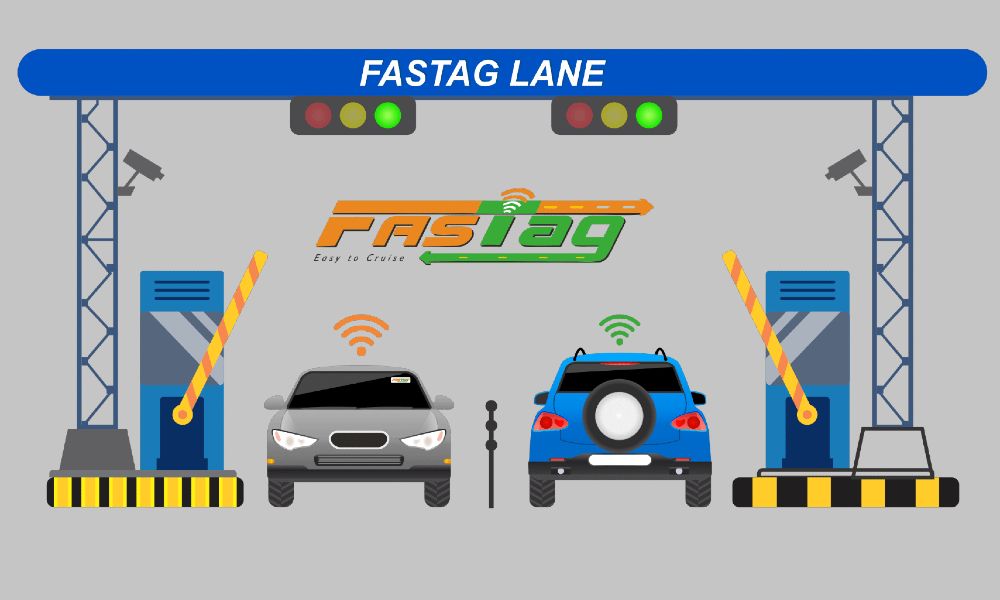
FASTag is an electronic toll collection system that uses Radio Frequency Identification technology. A small tag is affixed to a vehicle’s windshield, allowing toll charges to be deducted automatically when the vehicle passes through designated lanes at toll plazas.
The system is regulated by the National Payments Corporation of India and operates under the guidelines of the National Highways Authority of India. It is part of a broader initiative to digitize road infrastructure and promote cashless transactions across national highways.
While the physical tag enables automated deduction, the digital backbone is supported by mobile applications. These apps connect users to their FASTag accounts and provide control over balances, transactions, and recharge options.
What Are Fastag Apps
Fastag apps are mobile platforms developed by banks and financial institutions that allow vehicle owners to manage their FASTag accounts digitally. These applications act as a control center for toll payments and related services.
Through fastag apps, users can
- Recharge their FASTag wallet instantly
- Monitor transaction history
- Check available balance
- Receive low balance alerts
- Update vehicle details
- Raise service requests
Instead of relying on manual recharge or physical bank visits, users can complete all essential actions directly through their phones.
How Fastag Apps Work in Real Time
When a vehicle passes through a FASTag lane at a toll plaza, the scanner reads the RFID tag. The toll amount is deducted from the linked prepaid wallet or bank account. The transaction is processed electronically within seconds.
Fastag apps immediately reflect this deduction. Users receive notifications detailing
- Toll plaza name
- Date and time
- Amount deducted
- Remaining balance
This real time update enhances accountability and eliminates confusion about charges.
Key Benefits of Using Fastag Apps
1. Reduced Waiting Time at Toll Plazas
Electronic deduction ensures vehicles do not need to stop for cash payments. The result is smoother traffic flow and shorter queues.
2. Improved Financial Transparency
Every toll transaction is recorded digitally. Fastag apps allow users to review past payments, making expense tracking more straightforward for both personal and business travel.
3. Easy Recharge Options
Users can recharge via UPI, net banking, debit cards, or credit cards. The process typically takes less than a minute, ensuring uninterrupted travel.
4. Automatic Alerts and Reminders
Low balance notifications prevent failed transactions at toll plazas. Some fastag apps also allow auto recharge features to maintain sufficient funds.
5. Environment Friendly Approach
Reduced idling time at toll booths lowers fuel consumption and carbon emissions. This aligns with broader sustainability goals supported by authorities such as the Ministry of Road Transport and Highways.
Integration With Digital Payment Ecosystem
Fastag apps are closely linked with India’s expanding digital payment infrastructure. Many platforms integrate UPI services, allowing quick and secure transfers.
For instance, UPI services are managed by the National Payments Corporation of India, which ensures interoperability across banks and apps. This integration enables instant recharge without complex steps.
The use of digital wallets and direct bank transfers enhances user convenience and strengthens trust in electronic toll systems.
Security Features in Fastag Apps
Security remains a primary concern for digital financial services. Fastag apps typically incorporate
- Two factor authentication
- OTP based login
- Encrypted transactions
- Secure banking gateways
These safeguards reduce the risk of unauthorized access and protect financial data.
Additionally, users can block their FASTag through the app if a vehicle is sold or if the tag is misplaced.
How Fastag Apps Support Commercial Vehicle Operators
Fleet owners and logistics businesses benefit significantly from digital toll management. Instead of tracking individual cash receipts, companies can
- Monitor multiple vehicles under one dashboard
- Download consolidated reports
- Analyze toll expenditure trends
- Improve route planning
This digital trail simplifies accounting and improves operational efficiency.
Challenges and Practical Considerations
While fastag apps provide convenience, users should keep certain aspects in mind
- Ensure correct vehicle registration details
- Maintain sufficient balance before long journeys
- Regularly review transaction logs
- Use official bank apps or authorized platforms
Occasionally, technical glitches at toll plazas may cause delays. However, digital records in fastag apps help resolve disputes more easily than traditional cash transactions.
The Role of Fastag Apps in India’s Digital Highway Vision
India’s transport infrastructure is steadily moving toward complete digital integration. FASTag adoption is now mandatory for most vehicles on national highways. The objective is not only to reduce congestion but also to enhance data driven traffic management.
Fastag apps contribute to this transformation by
- Encouraging cashless transactions
- Enabling centralized monitoring
- Supporting policy compliance
- Providing real time travel data
With the backing of the National Highways Authority of India and digital payment regulators, the system continues to evolve.
Future Developments in Fastag Technology
The scope of fastag apps may expand beyond toll payments. Possible advancements include
As digital mobility solutions grow, fastag apps are likely to become a broader travel management tool rather than a simple toll payment interface.
Conclusion
The emergence of fastag apps represents a significant step toward efficient and transparent highway travel in India. By combining RFID technology with secure digital platforms, these apps reduce congestion, simplify toll payments, and improve user control.
For individual commuters, the benefits include faster journeys and clearer expense tracking. For businesses, digital dashboards and transaction reports streamline operations. Supported by national authorities and integrated payment systems, fastag apps continue to shape the future of road travel.
As digital infrastructure strengthens and adoption increases, these applications will play an even more vital role in India’s transportation ecosystem.
